
Does a Root Canal Hurt? What You Feel During and After
With local anesthesia, a root canal feels like a long filling. What soreness is normal in the days after, and which warning signs mean you should contact us.
Written by the team of Dr. Jesara López · Dental Surgeon (UABC) · Mexicali, B.C.
Updated:
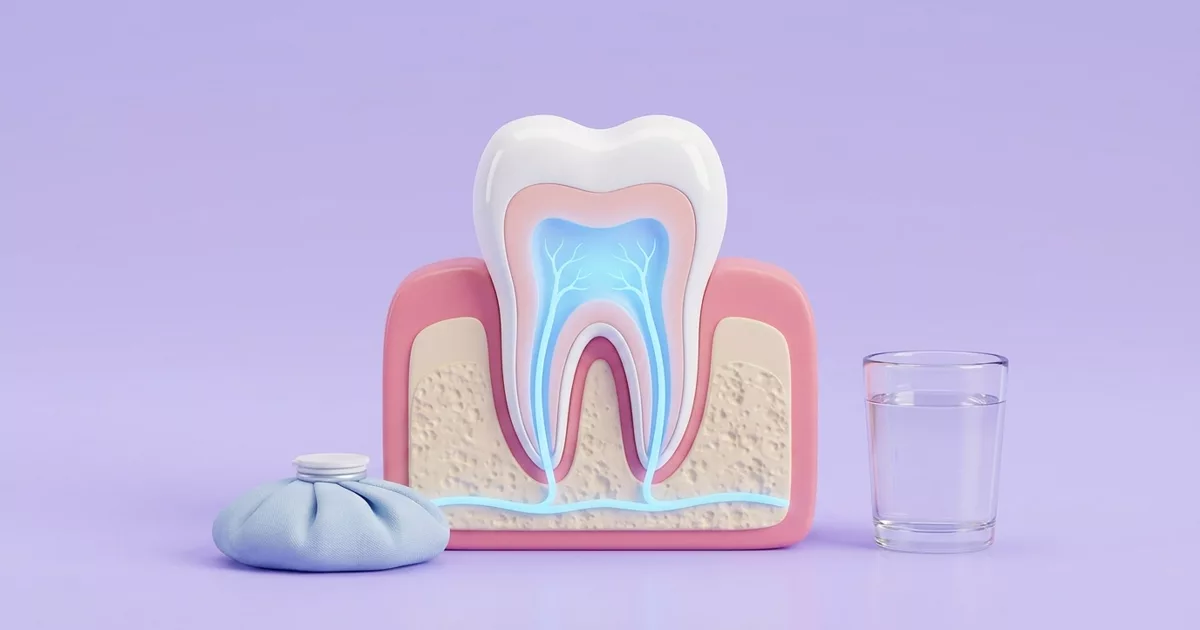
With local anesthesia, a root canal should not hurt: what you feel is pressure and vibration, much like a long filling. What does hurt — a lot — is the problem that makes it necessary: an inflamed or infected nerve inside the tooth. After treatment, some soreness when biting for a few days is normal, and it should ease a little every day. If instead the pain gets worse after day 2 or 3, or swelling appears, contact the doctor.
Why root canals have a bad reputation
Most people arrive at a root canal after days or weeks of toothache. That intense pain — the kind that wakes you up at night or flares with hot or cold — comes from the nerve inside the tooth. A root canal removes that damaged tissue, cleans the canals and seals them. For most patients, the treatment ends the pain rather than causing it.
Part of the reputation also comes from how it was done decades ago. Today it is a scheduled procedure under local anesthesia.
What you feel during the appointment
- The anesthetic. It goes into the gum next to the tooth. That is the pinch you notice most; after that, the area goes fully numb.
- Isolating the tooth. A small rubber sheet goes around the tooth to keep it clean and dry. It does not hurt — it just feels like something is in your mouth.
- Cleaning the canals. This is the longest part. You will feel pressure and vibration and hear the instruments, but not pain.
- Sealing. The canals are filled and the tooth is closed with a temporary filling.
At our office, a root canal appointment takes 90 minutes. Bring headphones if that helps you relax, and remember you can raise your hand to pause.
If you feel something during treatment
Say so. A very inflamed tooth sometimes takes longer to go numb or needs more anesthetic, and the doctor will not continue until you are comfortable.
What is normal in the days after
Once the anesthetic wears off — usually 2 to 4 hours — it is normal to notice:
- Soreness or sensitivity when biting on that tooth.
- A feeling that the tooth is “high” or different.
- Some tenderness in the gum where the anesthetic went in or where the clamp sat.
The sign of normal soreness is that each day is a little better. To help it along:
- Take the pain reliever or anti-inflammatory on schedule, even before it hurts much, and if you were prescribed an antibiotic, finish the full course.
- Don’t chew on that tooth until it has its final restoration. A root-canal-treated tooth is more fragile, and biting hard on it can hurt and even crack it.
- Eat after the numbness wears off so you don’t bite your tongue or cheek — useful to know if you are heading straight back across the border.
Every instruction is in our root canal aftercare guide, sent to your phone on WhatsApp when you finish.
How long does the soreness last?
It varies from person to person and with how the tooth was before treatment. A tooth that came in badly inflamed or infected can take a bit longer to settle than one treated early. Rather than counting days, watch the trend: if each morning is a little better, you are on track. If you are worried, message us on WhatsApp and we will take a look.
Warning signs: when to contact us
Message or call us if:
- The pain gets worse after day 2 or 3 instead of better.
- Swelling appears in the gum, cheek or face.
- You have a fever or feel generally unwell.
- The temporary filling falls out or breaks. In the meantime, follow the temporary filling care guide.
- Your bite feels very high and it is not improving.
None of these is a reason to panic, but each one is a reason to get checked. You can reach us on WhatsApp from the US at the same number.
What if I come in with a swollen face?
Swelling means the infection has spread beyond the root into the bone or soft tissue. Don’t wait for it to go down on its own — message us so we can see you as soon as possible. Depending on how you are, the doctor decides at your exam whether to start the root canal that day or to get the infection under control first. If there is room in the schedule, we can see you the same day.
If you are anxious about the dentist
It is very common, and nothing to hide:
- Tell us when you book and again when you arrive, so the doctor explains each step before doing it.
- Agree on a signal to pause, like raising your hand.
- Read the pre-anesthesia instructions beforehand: knowing what to expect takes away much of the anxiety.
- Ask anything. You get a written plan, and nothing is done until you approve it.
After the root canal: the tooth still needs its restoration
No more pain does not mean the treatment is finished. To keep the tooth from cracking, it usually needs a core or post and a crown, at separate visits. We explain why in do you need a crown after a root canal?. And if you are weighing saving the tooth against pulling it, read root canal or extraction?.
At our office in Mexicali
- Root canals are done by Dr. Gabriel Jiménez, the endodontist on our team, in 90-minute appointments. In 2026 our root canal patients needed 1.6 visits on average.
- Dr. Jesara López coordinates your plan and the restoration afterward.
- Book on WhatsApp or call +52 686 203 1211 — the same number works from the US, and our front desk replies in English on WhatsApp. We are open Monday to Saturday, about 3 miles from the downtown Calexico crossing, and same-day visits are possible when the schedule allows.
- With your appointment confirmation you get a link to fill out your medical history on your phone, and when you finish, your aftercare guide on WhatsApp. You can pay in US dollars.
See how we work on our root canal in Mexicali page, or check the symptoms in signs you need a root canal.
Frequently asked questions
Is the root canal worse than the toothache I have now?
Almost always, the toothache is worse. Severe pain comes from an inflamed or infected nerve, and the root canal is the treatment that removes it. With anesthesia, what most patients feel during the appointment is pressure, not pain.
What if the numbing doesn't work on me?
Tell the doctor right away. A very inflamed tooth sometimes needs more anesthetic or more time to go numb, and the doctor does not continue until you are comfortable. You can raise your hand to pause at any point.
Can I drive back across the border after the appointment?
Most patients go back to their normal day after a root canal. Your mouth will stay numb for a few hours, so plan to eat after the numbness wears off, and avoid chewing on that side until the tooth is restored.
I get very anxious at the dentist. What can I do?
Let us know when you book and again when you arrive. The doctor walks you through each step before doing it, you agree on a signal to pause, and nothing is done without your approval. Reading the pre-anesthesia instructions ahead of time helps too.